It can be especially hard to know how to support children and youth with exposure to distressing scenes of dead marine life, extreme foam events and possible health complications, not to mention how to manage children’s coastal activities and beach outings over the coming months.
As well as looking to government algal bloom information for updates about health advice on when and where to swim etc and to community online forums for other practical suggestions, here are some general tips for talking to youth.
Talking To Children:
Dos:
- Be truthful
- Talk small amounts on a regular basis and weave into everyday conversations
- Be honest, but also moderate how severe the situation is
- Acknowledge the hard parts and feelings about the situation
- Help children put words to feelings – such as “It can be sad for us seeing these dead fish”, “Yes it’s very disappointing we can’t go to the beach yet”.
- Tailor conversation to the age of the child, as well as the temperament of the child (be more careful with explaining things to more anxious children)
- End explanations with what’s being done or the positive/ less negative parts of the situation
- For example: “Yes we can see quite a lot of dying fish at the moment, but nature has a great way of recovering.”
- “It’s really hard seeing so much foam on the beach/ not being able to play, but really clever scientists are trying to find ways to help with great projects, like making oyster reefs to help clean the sea.”
- “We don’t know exactly when it’s going to end, but really smart people say that other blooms have ended in other parts of the world and the beach went back to normal.”
- “We might get a niggly little cough for a while, but health experts tell us that it won’t last for long.”
- After discussing difficult things, it can be helpful to focus on ‘getting back to normal’ routines, as well as on fun activities planned, or other positive topics.

Extra Pointers for Really Young Children:
- Read story books on relevant topics and see if they have any questions or want to bring up anything about their own experiences.
- For younger children, you can try talking through eyes of animals or toys, on in make believe games – ‘How do they see it?’
- We can also talk about nice or helpful things we can get involved in to help the sea or other people.
- You can talk about that the sea is sick, that we need to help the sea and/ or give the sea a rest.
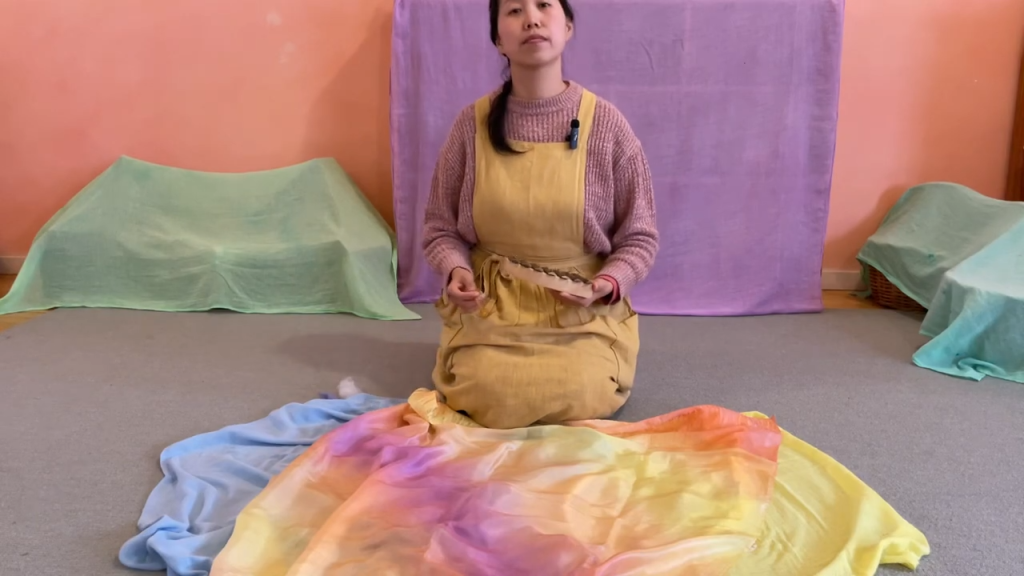
- Below is a resource to help have the conversation(s):
WATCH: Young Children to Explain Algal Bloom Safety: The Seagull and the Resting Sea
Things to Avoid:
- Don’t (over) expose to age-inappropriate images / negative impacts
- Younger children can have trouble separating one extreme event/ situation from other beach events/ situations. They can also have trouble estimating the actual level of threat.
- Avoid lots of repeated exposure to distressing scenes and to even mild health impacts, as this can lead to more worry over time. This may mean temporarily staying away from the beach a lot more than usual, and finding alternative activities.
- Don’t force conversation or focus on the hard parts of the situation
- But don’t punish or dismiss negative emotions, even tantrums, about things like having to stay away from the beach and/or having to suddenly change plans.
- Don’t hide/ alter the truth – Trust is very important for children to feel secure, particularly during especially challenging times.
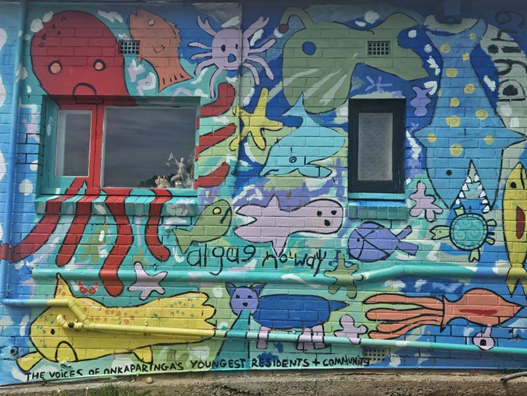
Helping kids come to terms with the algal situation by:
Building their Understanding and Knowledge
- Watch documentaries on the environment, pause and talk. Ask questions such as: “What do you think when you see? What can we do if animals or nature is sick?”
- Plant a garden or do some sport or nature activity and talk as you go
- Be alert and ready to answer any questions they may have about the bloom, going to the beach or health impacts
- Ask open ended questions “We saw a few tricky things at the beach last time we were there, what do you think?”
- Get the child to educate the parent and/or teacher on a particular relevant topic. This builds sense of competency and security
- Ask about what do they know about the situation and/ or a particular aspect of it.
- Invite curiosity and discussion about topics such as science and protection of nature.
Talking about Feelings
- Speak about facts and feelings – not just facts of what they know
- Ask them how they feel about what they know/ have seen (including: Where do they feel it in their body?)
- Especially speak about changes over summer with a lot of empathy.
- Rather than: “Even though we can’t go to the beach this week, we’ll get an ice cream or your friend will come over.”
- Instead, acknowledge and validate feelings: “It’s disappointing that we can’t go to the beach, especially when it’s hot. It’s a really tough situation. It won’t always mean missing out, but for now, we’ll have to make do with ….”
- Depending upon age, provide a vocabulary for more intense and even a wider range of feelings and inner experiences.
- Rather than just sad for example you can suggest what they might be trying to express, such as “devastating” or “disappointing”.
- Give plenty of opportunities to do art and other creative and physical activities. Children express and process their feelings through creativity and movement.
- Always come back to daily routines and provide lots of affection, comfort.
- Children may need extra one on one time and close contact if they have just witnessed something distressing or seen their care givers in distress, including having strong physical reactions.

Build Sense of Control and Mastery
- Encourage children to discuss solutions and ideas about the ocean problem
- Get them engaged in activities that make a positive difference to the environment (such as the projects involving collecting water samples or keeping fish in an aquarium)
- Let them do art projects involving natural materials and on nature themes
- Encourage science projects and teach them about some of the positive local environmental and recreational activities
- Let them generate creative ideas for alternative fun activities over summer
- Stick to strong daily routines that children are aware of, can predict and that are realistic for them to master.
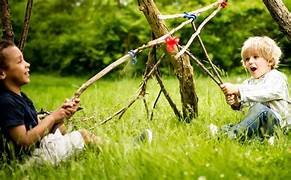
DETERMINATION TO HAVE FUN OVER SUMMER
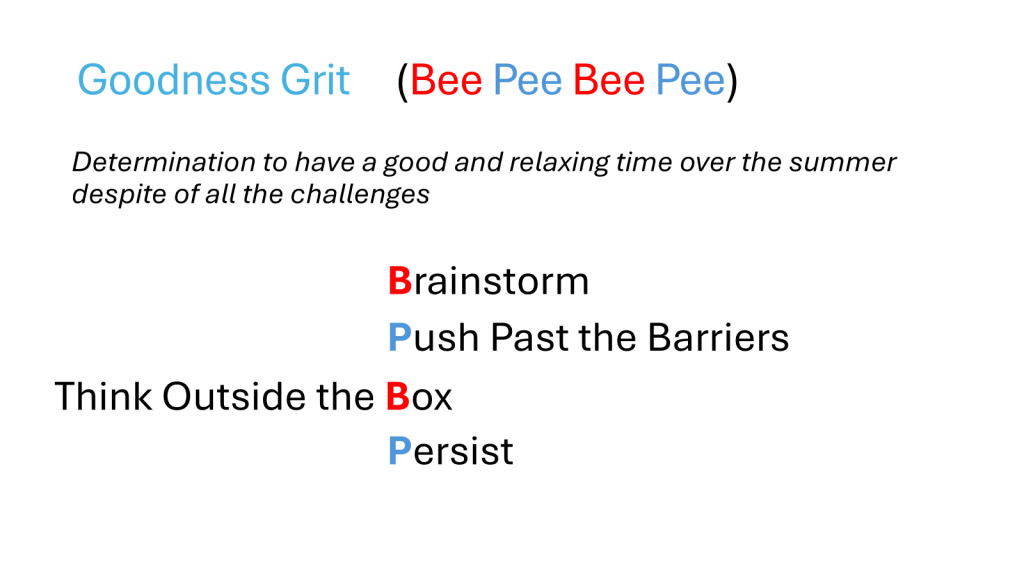
We can set ourselves a challenge to find ways to still have fun over summer. One idea to do with your family/ class is to do a Goodness Grit exercise.
This is the idea that we may have to work a little harder to find the ‘goodness’ (or fun) over summer and/ or in the current situation.
We can remember the anacronym Bee Pee Bee Pee that Brainstorming ideas, Pushing past the barriers (barriers such as -it’s too hot to go for a walk, or it’s too expensive go to that event), thinking outside the Box for solutions to the obstacles, and then Persisting (or being absolutely determined to find something positive and fun do in place of usual activities that maybe limited or have had to stop altogether).
An example of some Brainstorming Ideas for Alternative Activities Over Summer.

Not everyone in the community is as resourced as others. Consider sharing resources generously. It’s a time to reach out to others in the neighborhoods, sharing ideas, information and resources, and generally finding ways to connect and support each other. We are stronger together.
It may be useful to consider more ‘back to basics’ activities- such as old fashioned ice-blocks and lemonade, and board games – or games with marbles, string, bottle tops, spinners, and paper kites, as well as free play in nature reserves and/ or with sprinklers.
Signs to Look Out For
If children are feeling distress by caregiver’s extra stress (or distress) relating to the algal bloom, or from their own reactions to exposure to dead marine life or limits on usual activities, they may display unusual behaviour, such as:
- being more clingy
- irritable, or
- withdrawn than usual.
- more nighttime waking or
- being more fussy than usual.
- generally not being their normal selves
When children are either directly or indirectly (through their caregivers) impacted by ecological disasters and community crises, they may display behaviour that is younger than their normal age-appropriate behaviour. That is their behaviour may ‘regress’ (or do backwards) to an earlier developmental stage.
Some recent examples have included a 12 year old girl walking around with a Band-Aid on a teddy fish, or a 10 year old boy who wanted to sleep in his parents’ bed due to nightmares of being washed away by a tidal wave.
If your child is displaying unusual signs that you think might be a reaction to any of the algal bloom challenges, and these reactions do not resolve quickly, please speak to a professional, such as your family doctor or the school well-being support service.
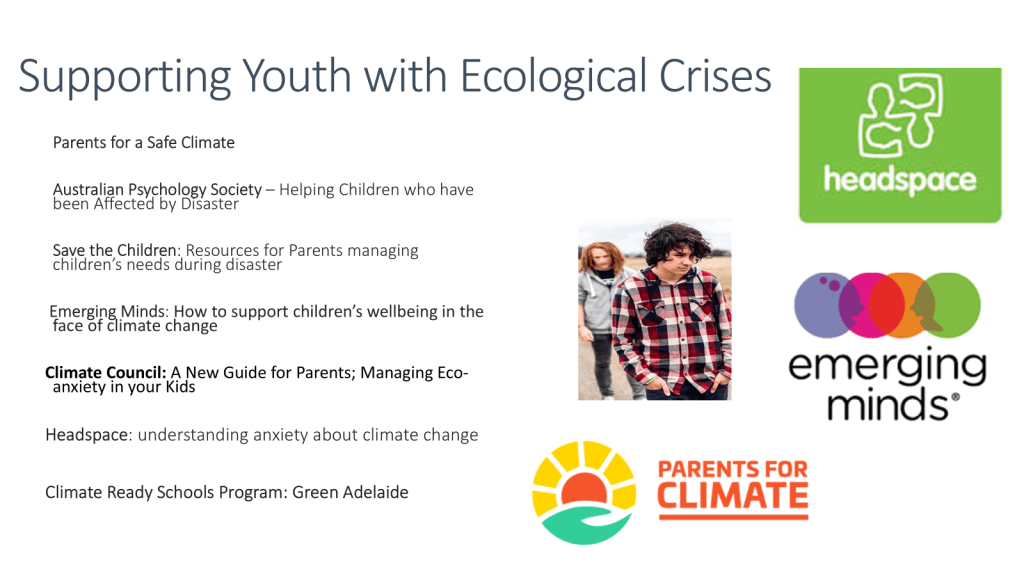
Other Resources for Caregivers
- Climate Ready – Schools
- Parents for a Safe Climate
- Australian Psychology Society: Helping Children who have been Affected by Disaster
- Save the Children: Resources for Parents managing children’s needs during disaster
- Emerging Minds: How to support children’s wellbeing in the face of climate change
- Climate Council: A New Guide for Parents; Managing Eco-anxiety in your Kids
Resources for middle-years to adolescence:
RESOURCES FOR HELPING YOUNG CHILDREN WITH THE ALGAL BLOOM
BOOKS

VIDEOS
Story for Young Children to Explain Algal Bloom Safety: The Seagull and the Resting Sea
AUDIO RESOURCES
Talking to children about natural disasters, traumatic events, or worries about the future, Emerging Minds
PARTICULAR CONSIDERATIONS FOR TALKING TO ADOLESCENTS
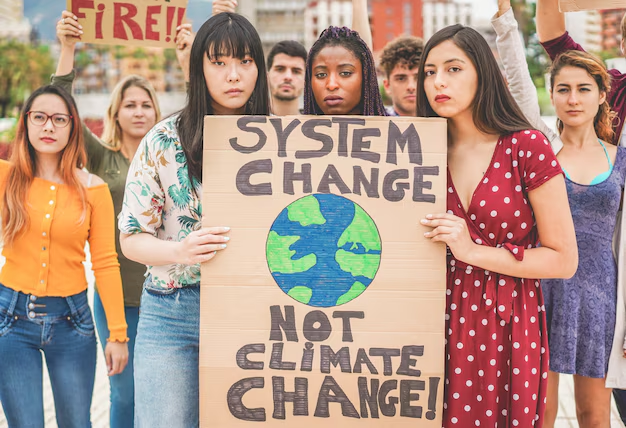
There is increasing evidence that young people feel ignored and dismissed when they try to discuss their worries about environmental concerns with adults.
A fairly recent study by Jones, C. A & Lucas, L, (2023) found:
- The most important predictor of young people talking about their climate feelings was whether they felt listened to.
- Respondents were more likely to feel comfortable having climate conversations with younger or same-aged people and associated these conversations with hope.
- In contrast, climate conversations with older people were most often associated with betrayal, uncertainty, and worry.
- Through open-ended responses, the young people surveyed called for further respect and consideration of their views,
- Young people also reported wanting opportunities to drive action and lead climate conversations,
- They also stated a need for shared understanding of the issues at stake
Listening to youth can therefore involve making time and space to ‘hear’ what they have to say, showing concern and expressing validation.
It may also mean adults being willing to hear things that can sometimes be confronting and uncomfortable – such as about how betrayed and unfairly treated younger generations feel for the state of the natural environment they will inherit.
- “Young people often report feeling ignored, dismissed, and/or belittled when they try to discuss their worries about climate change with adults, and say that this treatment makes them feel isolated, alone, confused, and angry.” (in Hickman, C.,et al., 2021).
Listen Here:
TIPS FOR EDUCATORS
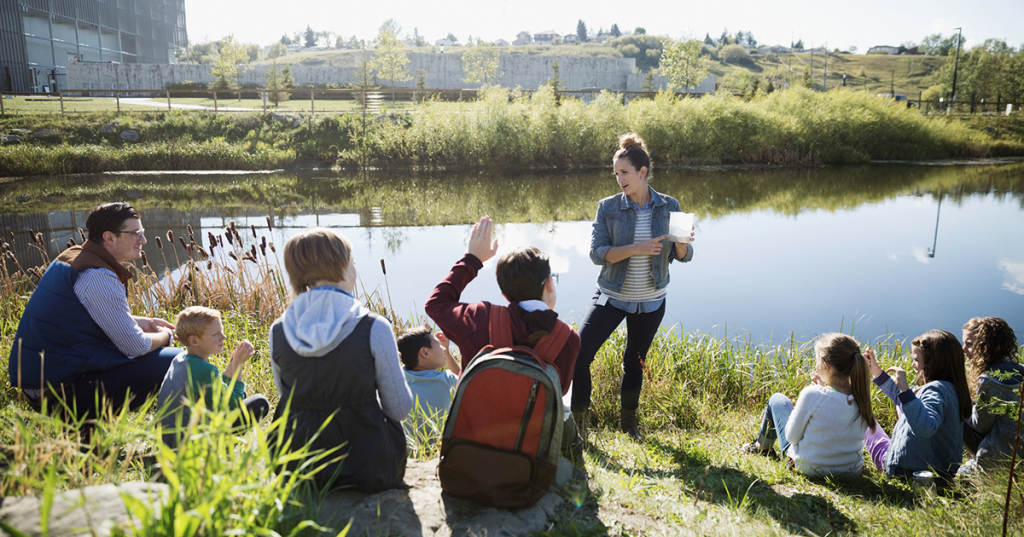
•Normalise and validate algal bloom related concerns, as well as those related to climate change and the environment in general
•Make spaces to discuss these feelings, especially couple this with providing stories of hope and where positive action is being taken (such as constructive community projects etc).
•Help students access and reflect on the science of the situation, including allowing discussions and assignments on constructive solutions
•Help set up and get students engaged in productive projects – as a school or linked to the community, the coastal environment (including activities that help with lowering carbon emissions)
•Model helpful response to eco-anxiety e.g. “I was feeling so sad and a bit scared when I saw that news piece on the glaciers melting, so I went for a walk to reflect on it… I feel a lot calmer after… It reminded me that we all need to be taking what action we can, so I’ve switched to a renewable electricity provider.”
REFERENCES
Arriagada, P., & Pinault, L. (2022, April 7). Chapter 5: Youth and the Environment. Portrait of Youth in Canada: Data Report. Statistics Canada.
Dooley, L., Sheats, J., Hamilton, O., Chapman, D., & Karlin, B. (2021). Climate change and youth mental health: Psychological impacts, resilience resources, and future directions. See Change Institute. https://seechangeinstitute.com/wp-content/uploads/2022/03/Climate- Change-and-Youth-Mental-Health-Report.pdf
Frida Berry Eklund (2020), Talk To Children About Climate & Caroline Hickman (Psychotherapist & Researchers, Climate Psychology Alliance, UK).
Gimalova, M. & Editington L. (2023). Eco-anxiety in children and young people: What we can do to help, The British Psychological Society.
Hickman, C., Marks, E., Pihkala, P., Clayton, S., Lewandowski, R. E., Mayall, E. E., … & van Susteren, L. (2021). Climate anxiety in children and young people and their beliefs about government responses to climate change: A global survey. The Lancet Planetary Health, 5(12), e863-e873.
How to Talk to Children About the Climate Crisishttps://app.wedonthavetime.org/posts/7831e0db-0d7c-4643-8820-f386796ea99c,
Jones, C. A. & (2023). ‘Listen to me!’: Young people’s experiences of talking about emotional impacts of climate change, Global Environmental Change ,Volume 83, December 2023, 102744
Ojala M (2012) Hope and climate change: the importance of hope for environmental engagement among young people. Environ Educ Res 18(5):625–642.
Patel, S., Robb, K., Pluff, C., Maldonado, E., Tatar, G., & Williams, T. (2021). Elevating mental health disparities and building psychosocial resilience among BIPOC children and youth to broaden the climate and health discourse. Journal of Applied Research on Children: Informing Policy for Children at Risk, 12(1).
 Algal Bloom Wellbeing Resources
Leave a comment