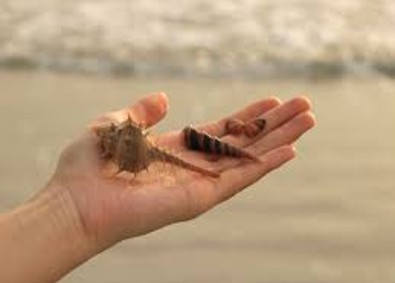
Of course, there are many important areas of being human – from our sensory awareness, to our imagination, and spirituality (to name a few), but the following section focuses upon some ways we can work with our feelings, thoughts and actions to improve our general coping through this challenging time.
Managing our Feelings
- Broadly speaking, the algal bloom crisis, is a situation where many of us are getting regularly exposed to stressful or distressing things, and this seems to go on and on without easy answers.
- This means that as well as coping through gathering information, and looking to environmental solutions, we may also benefit from allowing ourselves ‘feel our feelings’ about all that is happening.
- This is important in order to avoid physiological stress building up in our bodies and, eventually, impacting our concentration, sleep, mood and general day-to-day functioning.
- To ‘do this, ‘sit with’ our feelings, we may need extra time alone in a quiet place – maybe in nature, or even doing some journaling. It could mean talking to someone else who we trust and feel won’t dismiss what we need to say.
- Sometimes it can be hard to know where to start with this, but often it can help to slow down, do more breathing, and notice what sensations arise in our bodies when we think of the algal bloom situation.
- It helps to accept what we feel, without judging it, knowing that it’s a normal and valid at this time, and that these feelings will eventually pass.
- Sometimes it can be useful to put words to our feelings – we call this ‘naming it to tame it’ -which can really help settle the feeling, so that we can move on, feeling a little lighter or more energised within ourselves.
- At first we may only be aware of a general sense of stress or overwhelmed. But, if we we sit still and pay attention, without forcing, and ask ourselves what we’re feelings, we can often slowly discover more about our inner state of being.
- When it comes to talking to with other people about our feelings, sometimes it helps to just start small and simple, such as by asking the other person if they’ve been down to the beach lately, or how they’re doing with it all. Then there may also be an opportunity to share a little bit about how we’re doing with the situation.
More info in the Emotion Focused Coping page.
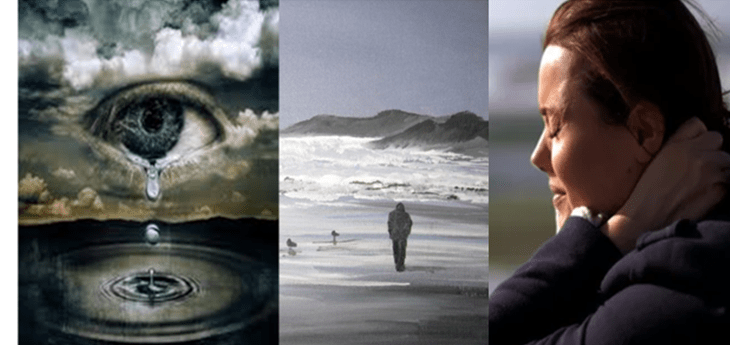
Balancing our Thoughts
- We especially need to look out for thoughts about the algal situation that are extreme, negative or overly generalised.
- For example: “Summer is totally ruined because of the bloom”. Or, “The ocean or will never repair”.
- We can ask ourselves: “Are my thoughts pretty extreme or do they have some balance?”
- Some examples are: “Even though there’s a lot of really hard/ sad things happening, I also know of some good community projects taking place”. Or, “Even though summer is going to be challenging, I’m still going to make sure I go camping/to the pool/ to see my friends etc.”
- We can also try to balance out ‘catastrophic’ thinking. For example: “Even though I’m really worried about climate change and an uncertain future, I’m going to focus on [ x ] right now that’s controllable.”
- Finally, we can also manage our thoughts by placing more focus on what we are grateful for. For example, even though it can be a bitter sweet to think to nature at the moment, we can try to put our focus on other places in nature and the parts that are currently thriving.
- If we are finding that our mind is fairly ‘jumpy’ and/ or we’re finding it difficult to focus, we can simply try to put our gaze on things that are ‘softly fascinating’. That is, on things that are pleasant and easy to attend to. Such as, gently rippling water, the pattern of leaves in the wind, a flock of birds flying overhead, rhythms in music.

Adapting our Actions
There are often small actions we can take that help us quickly feel noticeably better, even if we can’t directly ‘fix’ this algal situation and the impacts it’s having.
Below are some strategies that are particularly useful for when we’ve been feeling flat in mood, agitated and/or irritated for extended periods of time.
- Activities to Help Calm Us Down, such as slow breathing (short breaths in, longer breaths out), mindful meditating (a walking or moving meditation may be most effective if we’re feeling keyed up, exhausted, or are not used to meditating), walking (softly gazing at things that are pleasing and calming to the eye), and more energetic actions, (such as rigorous exercise and recreation that helps our bodies release pent up stress).
- Activities to Boost our General Mood, such as doing more of our hobbies or other things we enjoy (some people have been experimenting with writing poetry and other algal arts), indulging in things pleasing to the senses / pampering ourselves (think of using all the senses), intentionally placing ourselves around more laughter and comedy, getting involved in positive projects and community activities, attempting ‘three good things’ daily gratitude, and spending more time in nature (‘noticing-nice-things’ when outside).
- Activities to Improve our day-to-day functioning: eating better (such as more vegetables, less sugars), resting more and/ or having regular sleep routines (especially a positive waking ritual, such as a quick healthy tea and exercise outside in the morning light), keeping clear of/limiting stressful information and social media (especially, avoiding getting caught up with negative social posts where people may be especially irritable at the moment), setting small achievable goals (including reading hacks to tackle procrastination).

PUTTING IT INTO PRACTICE
We are often aware of the things we ‘should do’ to feel a bit better and support our selves through difficult times. It can be another thing to make positive changes, especially when we’re under extra stress.
Here’s some extra support with making desired personal changes.
Guided Calming Exercises (the first two have been made by a local mental health professional):
Listen Here:
- Breathing In, Breathing Out to quickly slow the mind and relax the body.
- Progressive Muscle Relaxation – which effectively reduces tension and agitation tin the body.
- Vagal Nerve Reset for Stress – helps reset the nerve responsible for the ‘fight and flight’ stress response.
Exercise Guidance
- What are the Recommendations. The University of Adelaide, Student Health and Wellbeing.
- 30 Minute Relaxing Yoga For Mental Health: All Levels, Slow Flow.
- 3 High-Leverage Habits That Can Transform Your Life, By A Psychologist. Tavers, S. Forbes. 18/11/2025.
- A Single 30-Minute Exercise Session Has an Immediate Antidepressant Effect: ScienceAlert
- 7 Daily Yoga Poses to Improve Your Mental Health – CrossFit Iron Bear
Articles on Motivation for Self-care:
- Caring for All of You With the 8 Realms of Wellness: Wellness is a lifelong relationship with your whole self. Quirk, M. Psychology Today 13/11/2025.
- Falling Short on Your Goals? Use the Power of Your Values Find motivation through what matters to you the most. Radlco, J. Psychology Today, 13/02/2024.
- Staying Motivated about Self-care. EAP Assist, July 2025.
- Using Self-Care to Motivate You: Prioritizing self-care stops us from following “shoulds” to stay healthy. Carter, K.A. Psychology Today 17/01/22.
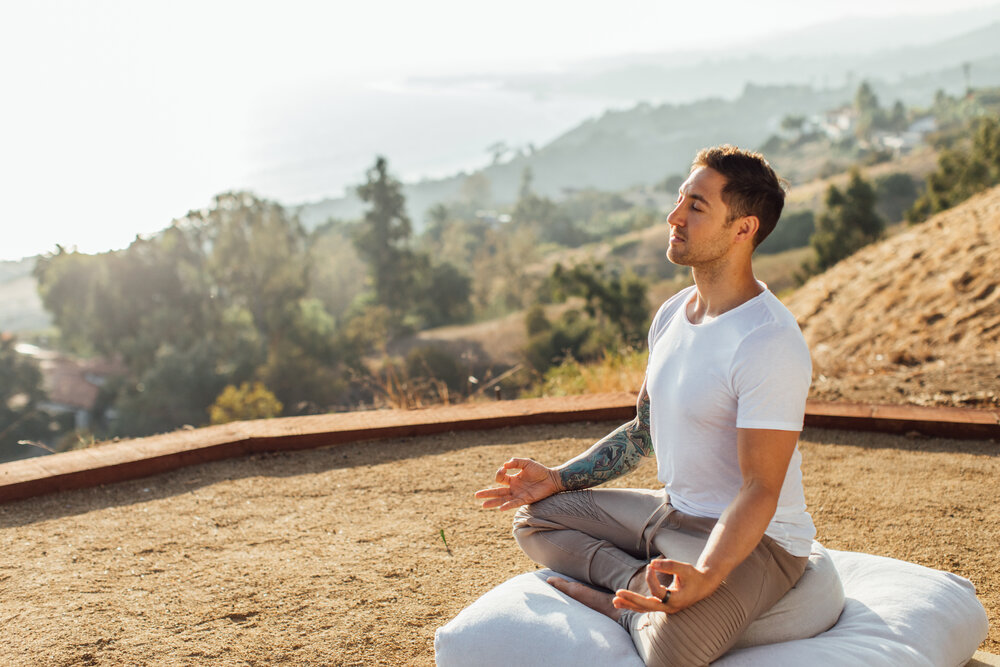
IT’S NOT JUST WHAT WE DO, BUT HOW WE DO IT
Some important points about coping:
- We can focus on Goals Within Our Control, that are both realistic and achievable. That is, it’s helpful to choose things to do where we will experience a positive outcome for our effort.
- We can also look for Balance in the Actions We Take. That is, between those that are good for ourselves and those that are good for others and/ or for our community, environment or climate.
- We should consider using a Multi-Pronged Approach. At this challenging time, and over summer, it is likely that we will need to use many methods to cope, and at different times and for different parts of the algal challenge.
- This is the time to Stretch Ourselves into New Areas we may not have tried before. For example, doing art if we’re not an artist, Visiting the hills, if we usually only picnic at the beach, doing yoga if we ordinarily only run on the esplanade.

FINDING ACTIVE AND REALISTIC HOPE
- Finally, we can try to get involved in events or Actions that Offer us Active Hope. This means moving towards, projects or goals that are in line with our values, or what’s important to us, regardless of the outcome.
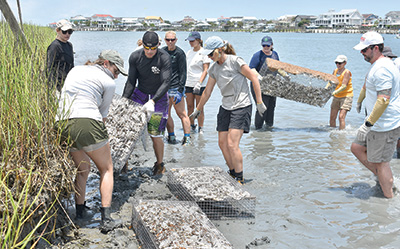
- An example of Active Hope could be Volunteering with the projects building oyster reefs. We may not be able to change the entire SA ocean, but we can focus on a practical action that moves towards the value of regenerating the ocean.
Dr Jane Goodall on the Importance of Hope
COPING THROUGH OUR RELATIONSHIPS
We can also think about how we cope, not just as an individual, but through our connection to others.
There may be more ways we can connect with others, either within our own personal relationships or within the bigger community, that are beneficial only to others, but also to ourselves.
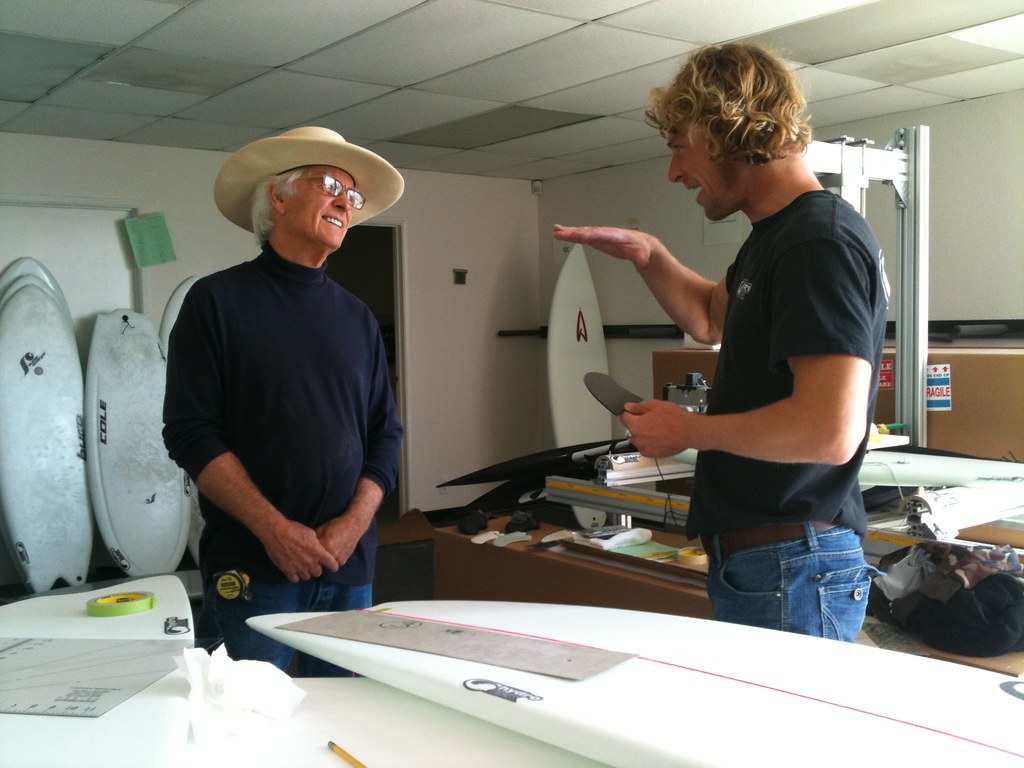
At this time, being connected in groups can help us share important information, deal with our emotions, develop new constructive and meaningful roles for ourselves, as well as provide us with a sense of belonging, sense of direction and a shared understanding about the sea and the current algal situation.
This table outlines some of the ways our being involved with others can help our own resilience:
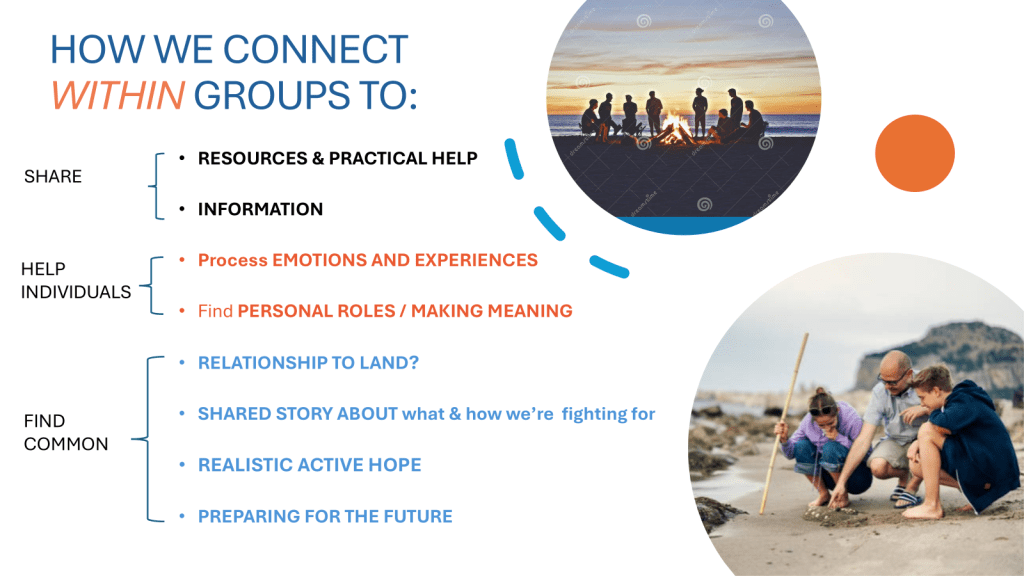
We can ask ourselves, is there any where I could extend myself to help me better cope during this challenging time?
There are many more ideas and links connecting with others and positive group projects on other pages:
- Actions You Can Take in your Community
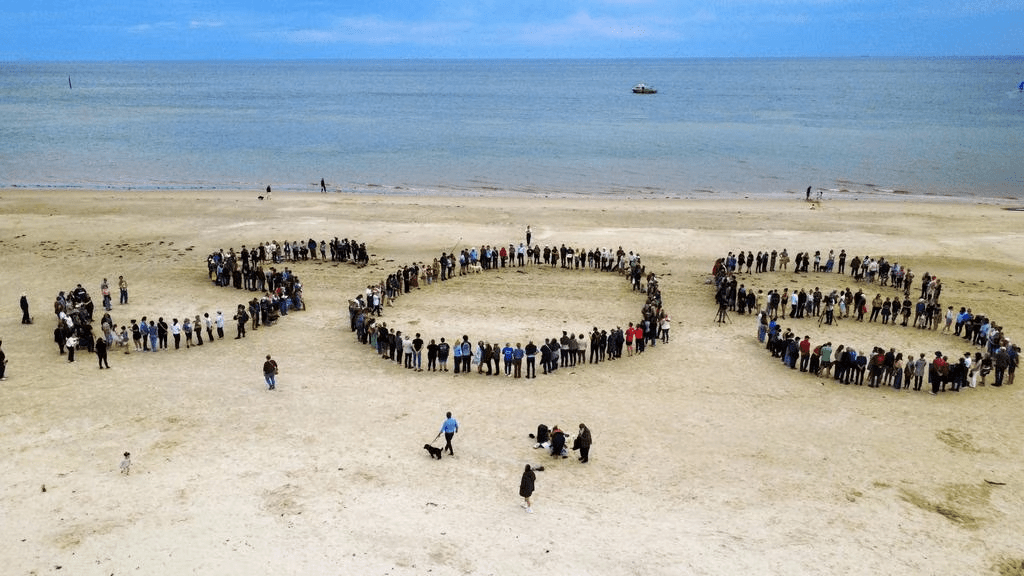
COPING THROUGH CONNECTION TO NATURE
Even though there may currently be challenges to spending much time in coastal areas, it is important that those living by the coast continue to find other ways to connect to nature.
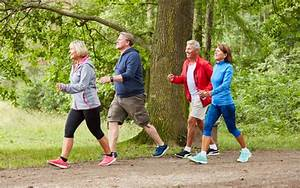
If the blue spaces are tricky for health or emotional reasons, visiting green spaces whenever possible is important for mental health. This could include spending time in the garden, walking leafy streets, visiting parks, nature reserves, wetlands, dry lands, river lands, botanic gardens and remote and northern regions of the SA coast.
And, there are also many benefits from just seeing pictures or hearing sounds of nature. There can also be significant well-being benefits from doing activities involving natural elements, such as art projects with items found in or created from nature.
Articles on connecting to nature:
- The Japanese “forest bathing” practice explained: and how to recreate it in your own garden
- The Psychological and Emotional Benefits of Getting Outside
- The Art of Being Accepted by Nature
- How Nature Restores Our Minds
More info about connecting to nature, including the art of Forest Bathing on the Eco-Anxiety and Climate Distress page.
COPING THROUGH CREATING ART
There is increasing evidence that doing art, especially about our thoughts and feelings about the environment and climate change can have many unique psychological benefits too.
Art activities can include anything from craft projects, to painting, theatre, music, weaving, sculpture, wood and metal work and many more.
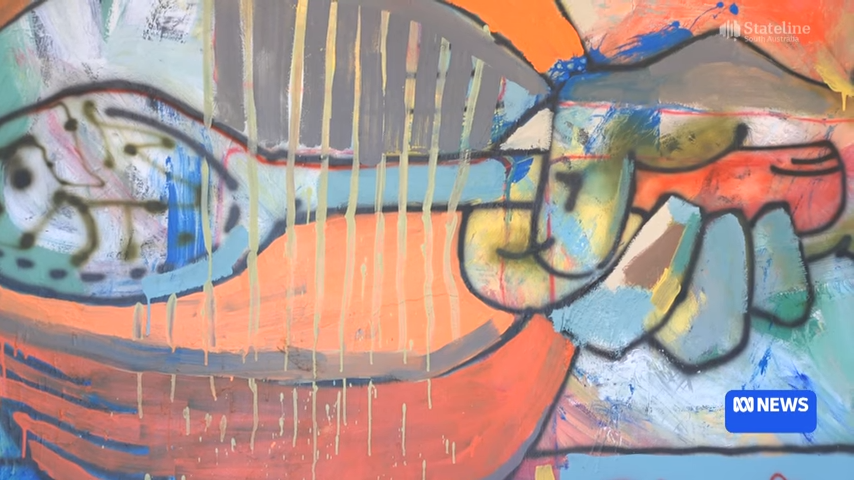
Image from Algal Bloom community arts project.
Some of the benefits include, helping us:
- realise and express all the different complex and subtle layers of feelings we have to things that are abstract, distant, and complex.
- make connections (or integrate) different thoughts and feelings about different aspects of our environmental experiences.
- express feelings, even bodily sensations, about our nature and climate related experiences that are hard to put into words
- feel more energised for action, and generally clearer in our thinking and purpose.
- imagine new futures
- experience ourselves as more connected to nature and other people/ society in more hopeful and positive ways.
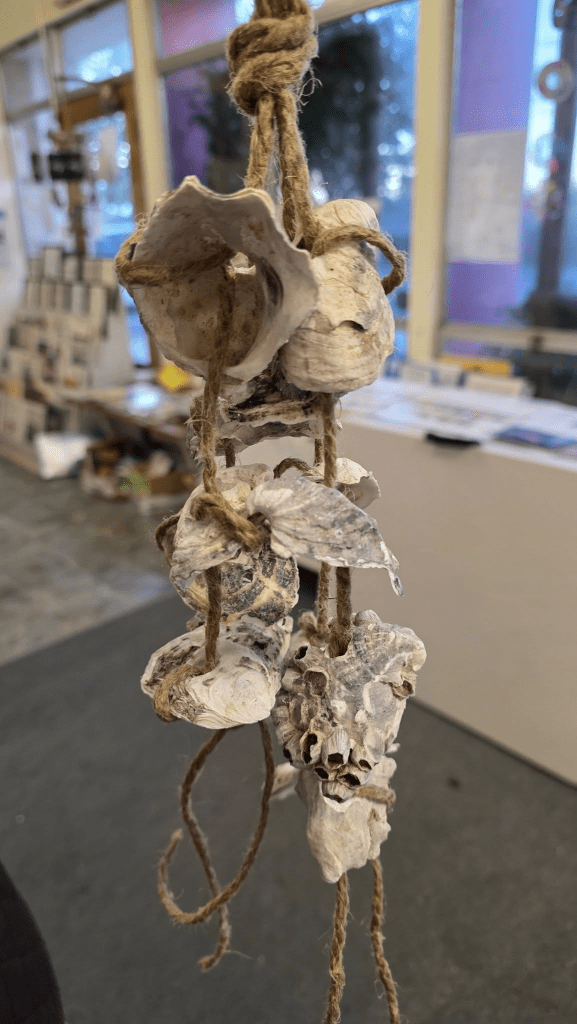
More algal art and ideas:
Eco-grief and Climate Distress page.
References and Resources
Australian Psychology Society, Climate Change Empowerment Handbook, 2017.
- Behavioral Change Group. (2016, August 10). How to use micro-actions to change your behavior. LinkedIn. https://www.linkedin.com/pulse/how-use-micro-actions-change-your-behavior-behavioralchangegroup/
- Bentz, J. (2020). Learning about climate change in, with and through art. Climatic Change, 162(3), 1595–1612. https://doi.org/10.1007/s10584-020-02804-4
- Burke M, Ockwell D, Whitmarsh L (2018) Participatory arts and affective engagement with climate change: the missing link in achieving climate compatible behaviour change? Glob Environ Chang 49:95–105. https://doi.org/10.1016/j.gloenvcha.2018.02.007
- Climate Council: Climate Anxiety Toolkit, 2004.
- Crouse DL, Pinault L, Christidis T, Lavigne L, Thomson EM, Villeneuve PJ. 2021. Residential greenness and indicators of stress and mental well-being in a Canadian national-level survey. Environmental Research; 192: 110267.
- Cardoso, M., & Harvey, S. (2024). RELATIONSHIPS ARE WHAT MAKES US What the Community Resilience Program tells us about social connection and mental health in disaster-impacted areas.
- Harrison, D. (2023). After tragedy strikes: Rebuilding and healing in the aftermath (1st ed.). University of California Press.
- 3 Ways to Fight the Dreadful Feeling of Solastalgia. Is the planet’s uncertain future casting a shadow over your sunny present? (2023). Psychology Today, Travers, M.
- Longman, J., Braddon, M., Verlie, B., Schlosberg, D., Hampshire, L., Hawke, C., . . . & Saurman, E. (2023). Building resilience to the mental health impacts of climate change in rural Australia. The Journal of Climate Change and Health.
- Magsamen, S., & Ross, I. (2024). Your brain on art: How the arts transform us. Random House.
- Red Cross: Psychological First Aid: An Australian Guide to Supporting People Affected by Disasters, 2013.
- Guzman Skotnitsky, S (2025) Creating Climate Resilience: An Arts-based Approach for Helping Youth Process Climate Anxiety and Generate Active Hope
- The Credibility of Yoga as Evidence-Based Health Intervention, Yoga Australia (Oct 2025).
 Algal Bloom Wellbeing Resources