While the algal bloom situation is not not easy understand, let alone fix, and many of us are grieving and frustrated, we can still make an important difference to coastal and environmental care.
By taking practical action, no matter how big or small, we can not only positively impact in our local areas, but also improve our own wellbeing at the same time.
Even participating occasionally can really help to lift our sense of sadness, frustration or helplessness at what’s been happening.
Here are some links to organizations making a difference within our coastal communities.
There are many different types of activities to consider and ways to be involved:
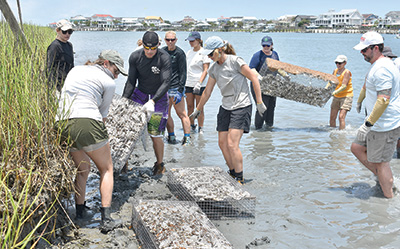
GET INVOLVED IN COASTAL CARE
•Adopt a Spot Scheme– help clean ups in your local coastal area
• Coastal Revegetation Days: Willunga, Yankalilla and Fleurieu Environment Centres
•Hooded Plover Monitoring with Bird Life Australia
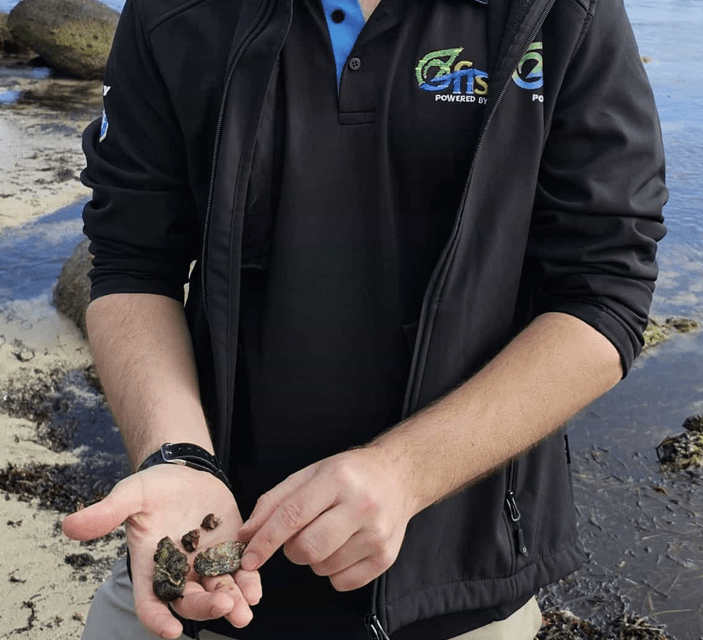
• Seagrass Restoration with the OzFish Seeds for Snapper
•Care of waterways in Southern Flinders with a First Nations Project, Nukuna Wapma Thura Aboriginal Corporation
• Volunteer with Reef Watch, Australian Conservation Council.
Sea Photography Competitions and other marine restoration projects, The Nature Conservancy
• Volunteer with Reef Building, Restore Shellfish Habitat with Ozfish
• Citizen’s Inquiry into the South Australian Coastal Crisis
• Join Arts and Community Voices – such as The Good Bank Gallery/Toxic Surf Project & Community Waterways Portrait Exhibition

- Volunteering with Disaster Relief Australia (although this organisation focuses on Vets supporting communities, any one at any age can join their team.).
- Southern SAGE – A community group for anyone who cares about the plant: providing support and collaboration on local, grass-roots environmental projects.
- Volunteering with Science and Community, helping with science and education relating to culture and climate at the CLLMM Centre, Goolwa
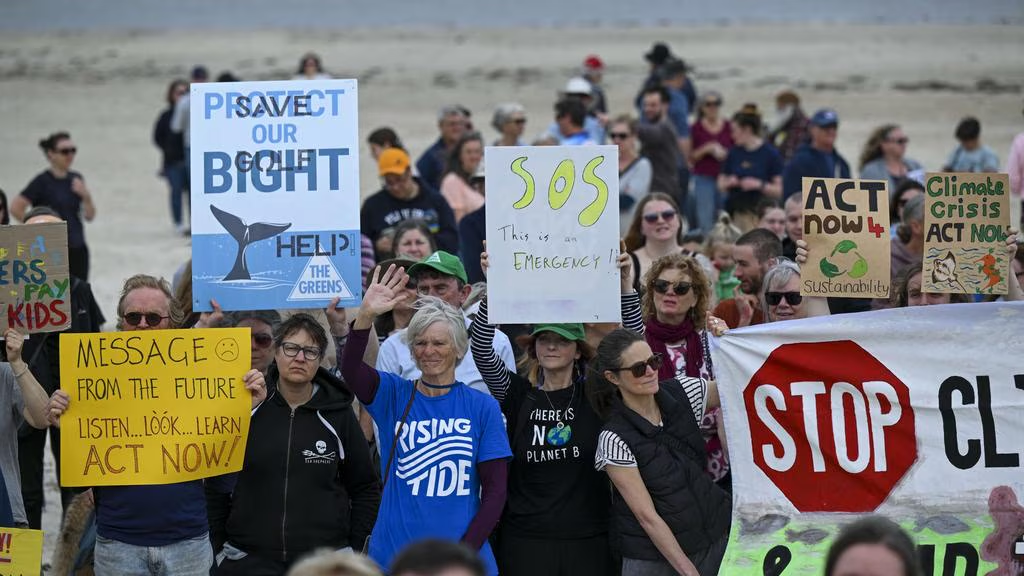
SUPPORT COASTAL NOT-FOR-PROFIT ORGANISATIONS
• Captain Paul Watson Foundation Australia

Holdfast Hooded Plover Care
GROUP PARTICIPATION BUILDS COMMUNITY RESILIENCE
Being part of groups, whether those directly involved in coastal care or any other community group, can really help our own wellbeing, but also go a long way to promoting community resilience.
That is, being involved in groups helps build a strong, thriving community that is capable of adapting to and coping with all that the algal bloom situation may bring.
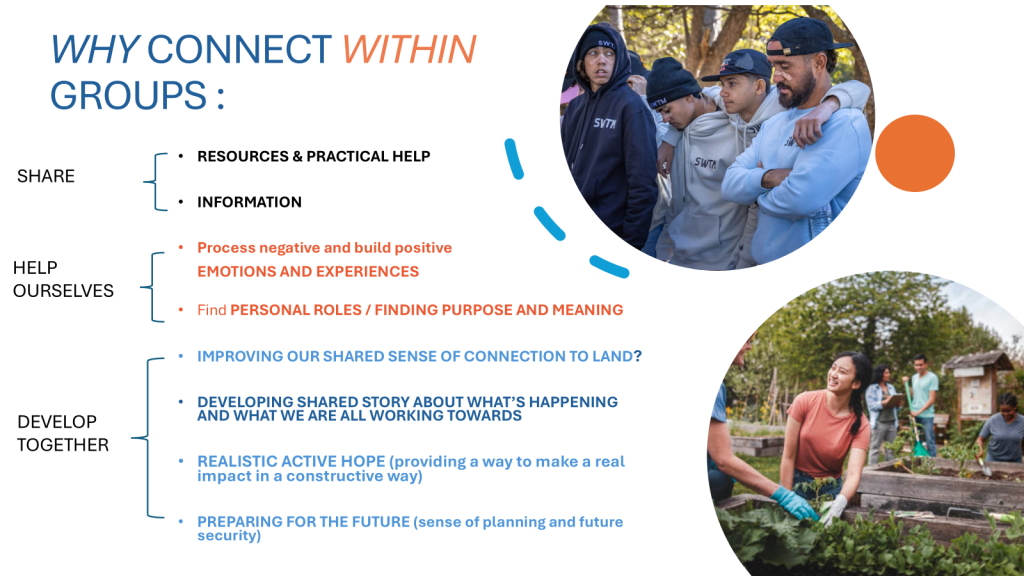
Practical ways we can promote community resilience through our group participation:
•actively and regularly participate in group activities and projects
•promote a culture of care, it’s okay to not be okay
•role model self-care and other coping skills
•encourage help seeking, provide info to others etc
•discuss experiences relating to the algal bloom
•facilitate group discussions about feelings or how people are coping with the bloom, develop leadership skills
•consider algal-specific roles and projects your group can take on
•adopt your own specific algal role(s) within your groups
•build links between your group and other groups/ organisations
•accept everyone is different in the impacts and reactions to the bloom
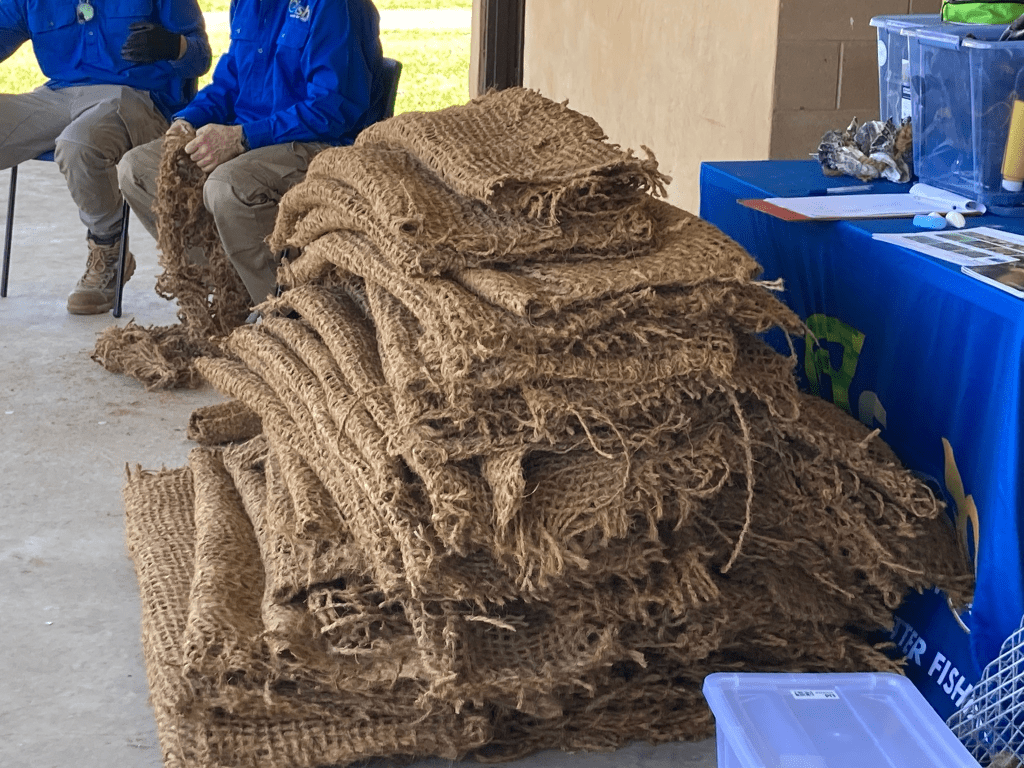
Ozfish Oyster Reef Volunteering
GETTING STARTED WITH JOINING GROUPS
For some of us, who are on the shy side or tend to be very busy, we may not have recently had much group involvement.
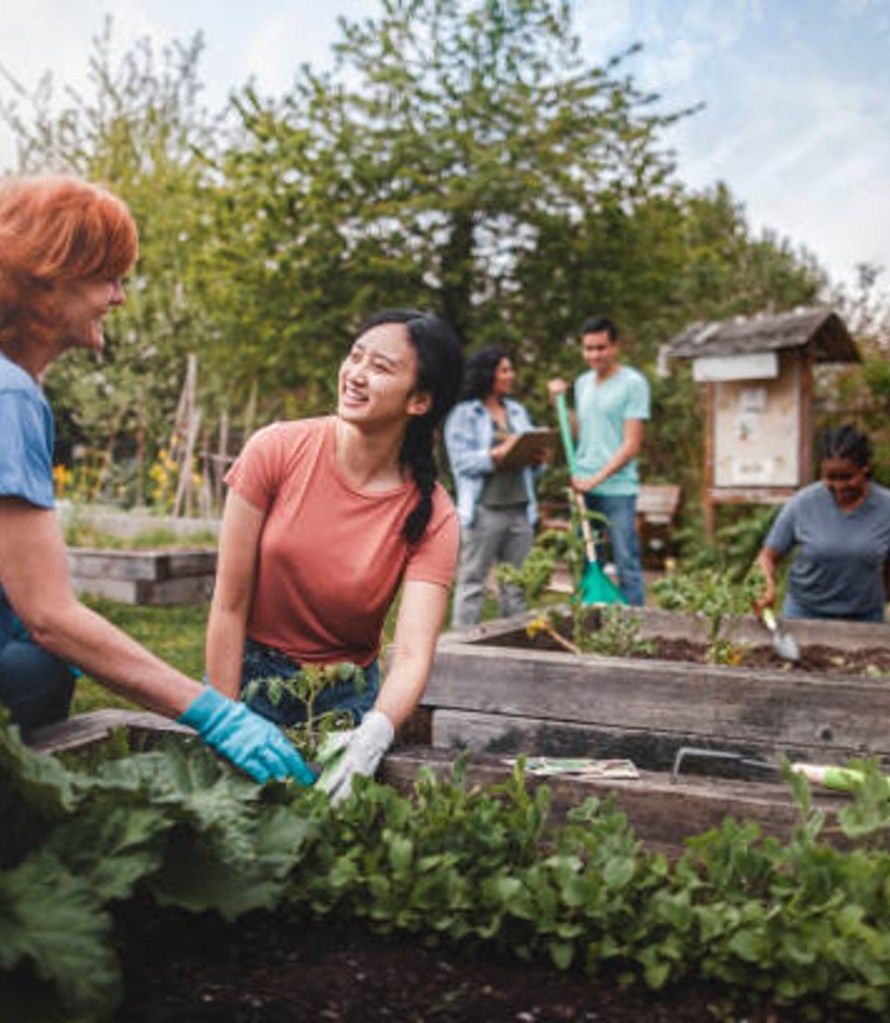
If you are interested in being involved, but might find starting new groups and trying new activities challenging, try:
- starting by talking to group members online through group media or chats
- go along for the first time with a friend
- start by first going to the physical place where the group meets
- set yourself low/ small expectations to start. For example, plan to just turn up and have one brief conversation with one person.
- plan a few conversation starters before attending
- find out as much about the group or project as possible before attending for the first time
- take an attitude of courage (feel the fear, do it anyway)
- have an open mind and be willing to give new things a go
- be aware of open, receptive and warm body language
INSPIRATION About BEING INVOLVED
“Beating the Bloom: The proven solution to restoring our oceans” , The Nature Conservancy, Australia
PROJECTS OF HOPE
NATIVE MUSSEL RESTORATION, VICTOR HARBOUR COMMUNITY
- An article about a community lead mussel restoration project
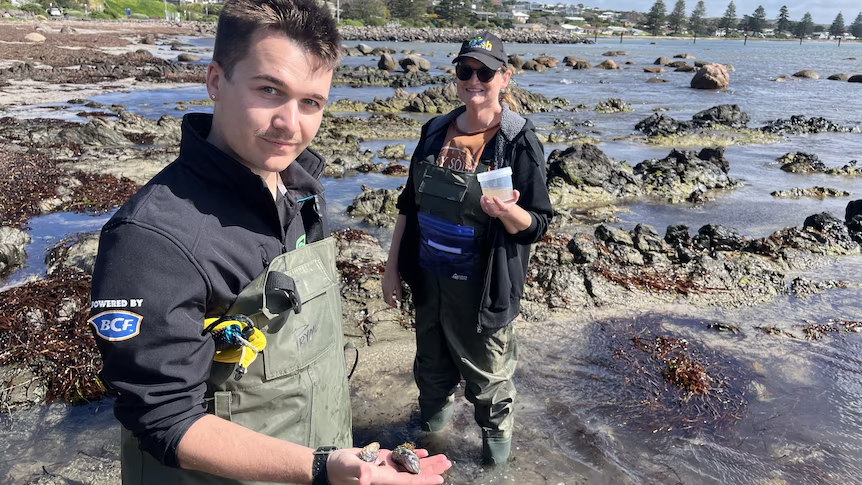
BIG SKY COUNTRY, AUSTRALIAN BUSH HERITAGE
- A podcast about positive stories and directions engaging Indigenous Knowledge. Watch a specific episode about OCEANS OF CHANGE
COMMUNITY BUILDS HOPE THROUGH ART AMID THE TOXIC ALGAL BLOOM
- Watch the artists and organisers talk about the Good Bank Toxic Surf Project

MORE ACTIONS YOU CAN TAKE: SOCIETY & THE BIGGER PICTURE
Find many more ideas about and links to actions you can take at the level of society, including practical actions to reduce personal carbon emissions and tackle climate change at a broader level.
Get Involved: Society & the Bigger Picture
REFERENCES
Carlise, J. A., Mauseth, K. Clark, N. E. et al. (2014). Local Volunteerism and Resilience Following Large-Scale Disaster: Outcomes for Health Support Team Volunteers in Haiti, Int J Disaster Risk Sci (2014) 5:206–213,
Carlton, S. & Wong, J. (2024). Well-being and ill-being: Prominences and differences in the perspectives of volunteers in the immediate and longer-term aftermaths of disaster, International Journal of Risk Reduction, Volume 113, 15 October 2024, 104837
Moreton M (2016), A study of four natural disasters in Australia: how the human response to fire, flood and cyclone contributes to community resilience and recovery. ANU Open Thesis Online.
Moreton, M (2018). ‘We needed help, but we weren’t helpless’: the community experience of community recovery after natural disasters in Australia, Australian Journal of Emergency Management,
Whittaker, J., McLennan B. & Handmen, J. (2015). A review of informal volunteerism in emergencies and disasters: Definition, opportunities and challenges, Volume 13, September 2015, Pages 358-368,
 Algal Bloom Wellbeing Resources